Product Development
Product development at Smithmade Essentials begins with defining the core concept through research, testing, and design to shape each collection into a narrative supported by a combination of scent, form, and visual language.

Product Concept Development
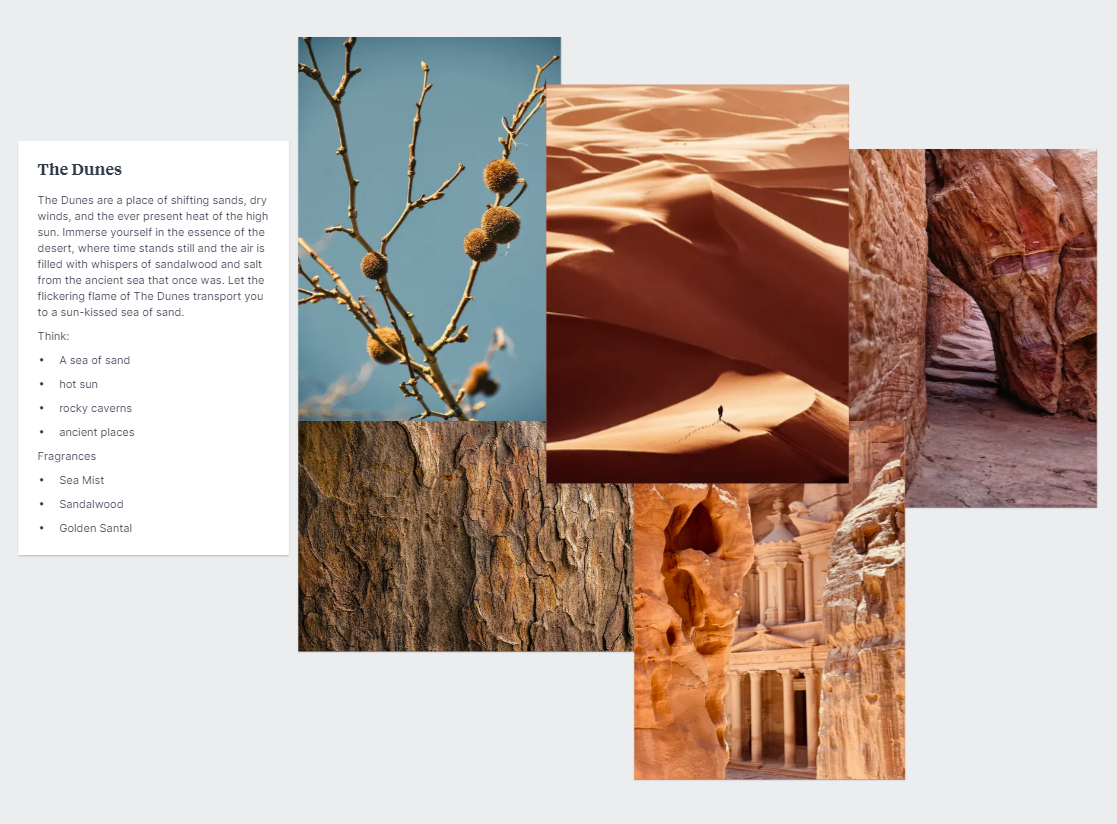
Product development began with an idea centered around a theme. The theme might be as simple as spring gardens, or as abstract as a literary muse. Once an idea is established, it gets clarified through scent pairing, naming, and writing a narrative that sets the scene and evokes the product's intended feeling.
While soap and candle development followed the same conceptual approach, they were structured differently at the collection level.
Soap collections operated within broader category frameworks. The Luxe & Lather collection served as a rotating space for more decorative, design-forward bars, while the Simply collection focused on soaps designed for everyday use.


Luxe & Lather
The original rotating collection of artisan soap featuring fun and fragrant designs.

Garden Collection
Designs inspired by nature, featuring hand-piped flower, vine, and leaf designs.

Simply
An everyday soap. Lightly scented bars designed with easy practicality in mind.

African Black
A standalone bar that fuses traditional and modern soap making. Every bar gives back.
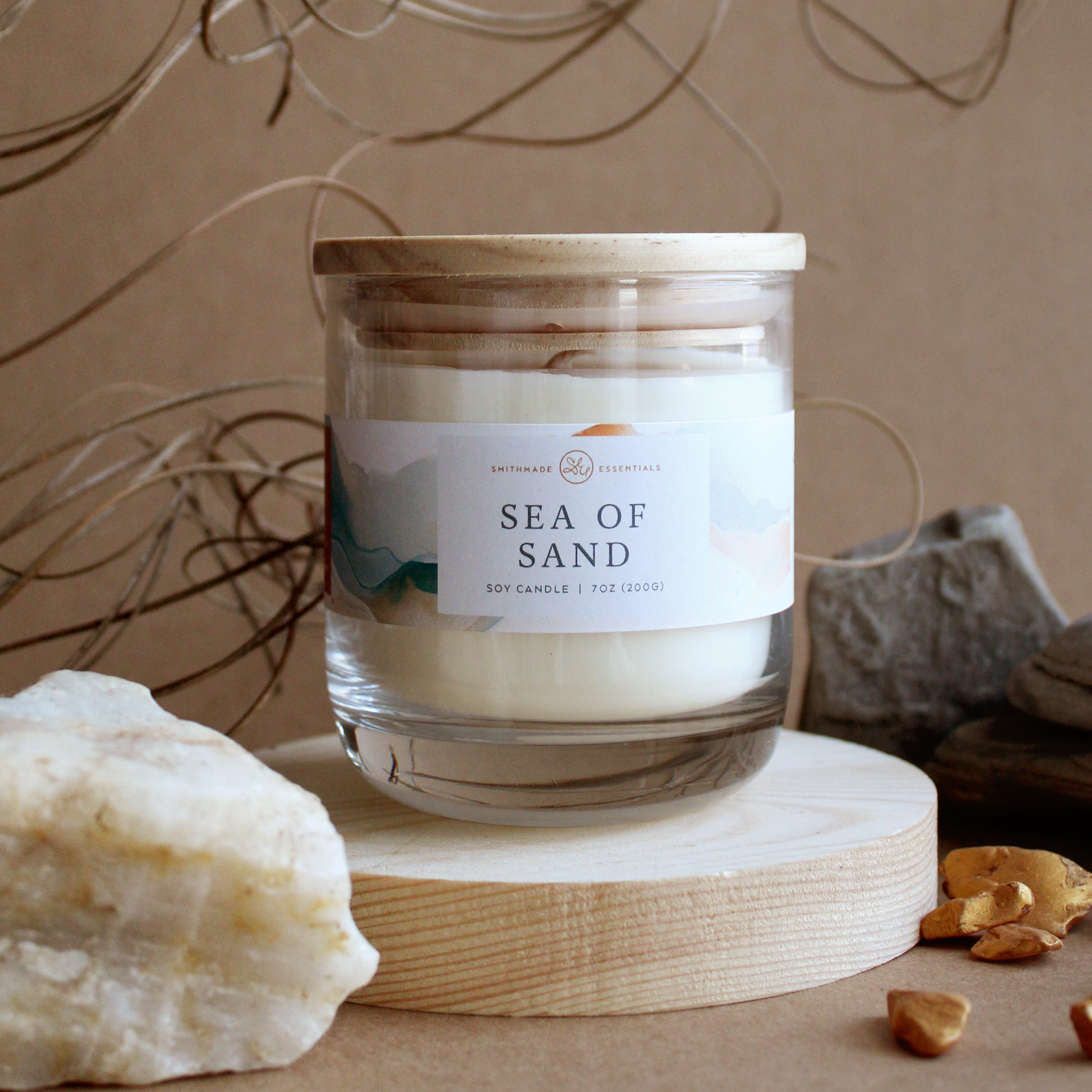
Candle concepts were typically developed as distinct themes, with naming, scent exploration, and visual mood defining each product. Collections such as Autumn Moments, Dark Academia, and the Muse Collection reflect this approach.
Across all products, the narrative was defined early and carried through execution, allowing designs to remain cohesive while adapting to different formats, collections, and production realities.

Year-Round Soy Candles
Clean-burning, non-tox soy candles made with premium scents.

Seasonal Scents
A rotating collection of cozy fall and winter home fragrances.

Autumn Moments
A limited fall collection capturing the nostalgia of the season.

Muse Collection
A signature collection of original scent blends.
Sourcing
Sourcing played a critical role in product development, informing both design decisions and production feasibility. I evaluated materials and suppliers based on quality, availability, pricing, and lead times, balancing aesthetic goals with operational constraints.
This process involved researching vendors, comparing samples, and assessing how materials would perform across different product formats. Supplier selection directly influenced form, finish, and pricing across product formats, requiring trade-offs between aesthetic goals and production constraints.


Internal sourcing boards were used to compare material options, finishes, and pricing while selecting suppliers.